
Legacy & In-Memoriam gifts
are needed to expand our work

Two powerful ways

 to fund the fight for hospices & palliative care, ensure adequate social care for all, AND fend off new killing laws in the coming years

Donate in Memory of a loved one

Honour the memory of someone special AND protect the vulnerable

Leave a Legacy

A final act of kindness to help ensure no one is pressured into ending their own life

The threat of medically-assisted killing has subsided for now, but it isn’t going away.

Preparing for new threats now

Our opponents have made it clear [see below] that they want ‘all-encompassing’ laws which do not discriminate between those who are dying and those who are not.

For instance, the Parliamentary committee which scrutinised the Leadbeater Bill rejected hundreds of ‘safeguarding’ amendments that would have restricted the Bill’s scope to terminally ill patients only:

  • A safeguard which would exempt people with Down’s Syndrome – REJECTED
  • Allow hospices to opt out of assisted suicide – REJECTED
  • Basic safety checks on the deadly drugs that would be used – REJECTED


Under the Bill’s terms, you could even qualify for an assisted death with an eating condition such as bulimia.

What to expect in 2026

England & Wales

The Telegraph reports that our opponents are already “hatch[ing] a plot” to revive the Leadbeater Bill should it fall.

Roughly 50 pro-assisted suicide MPs are preparing to enter the Private Members’ Bill ballot for the new session.

  • There is a 44% chance—a coin flip—one of the 50 MPs will draw a top-five spot, giving them priority parliamentary time to bring the Bill back to life.


Should that happen, we must be ready and prepared to fight the new Bill.

Scotland

Alex Cole-Hamilton, the leader of the Scottish Liberal Democrats, has said that new ‘assisted dying‘ legislation should be brought back in the next Holyrood term.

Speaking in The Scotsman, Mr Cole-Hamilton said he would be “very proud and very humbled to be chosen to be the parliamentarian to bring it forward”.
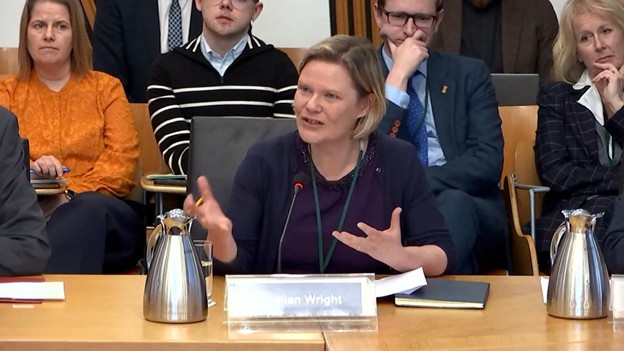
Dr Gillian Wright, director of Our Duty of Care- CNK’s campaign for healthcare professionals opposed to assisted suicide giving evidence to Scottish MSPs

Again, we must be ready.

Jersey and the Isle of Man

Funding permitting, CNK is considering legal actions to STOP these assisted death laws from coming into force on the islands.

  • We would argue that the legislation is in violation of Britain’s legal obligations under international human rights law


  • A victory, citing Article 2 (Right to Life) of the European Convention on Human Rights (ECHR), would create a legal shield for vulnerable people across the whole of Britain and the Crown Dependencies


  • Initial cost for exploring legal interventions to prevent the Isle of Man and Jersey legislation coming into force = £35,000–£40,00


  • Should the cases proceed through the High Court to the Supreme Court and European Court of Human Rights, costs would rise to £250,000+

Your support is crucial to expanding our work

To expand our work and pursue high-impact actions such as court challenges, developing new income sources—such as Legacy and In-Memoriam gifts—will be essential.

The NHS and UK hospices are operating under severe funding constraints

Demand for services is increasing, but they are struggling to keep up.

  • King’s College London reports that EACH YEAR, approximately 100,000 dying people do not receive palliative care, leaving many in unnecessary pain and distress.


  • Up to 40% of England’s hospices are preparing to reduce services or stop end-of-life care entirely. [LBC Radio]


  • This could result in 12,000 terminally ill patients losing access to end-of-life care by mid-2026


Further, should the law change, we fear for UK hospices that refuse patients’ requests for an assisted death.

Our polling has shown that a majority of the British public believes that healthcare workers with a conscientious objection, along with ‘institutions’ like hospitals and nursing homes, should NOT be forced to deliver assisted deaths—a position shared by growing numbers of MSPs and Peers who have voiced concerns over assisted dying Bills for England & Wales and Scotland in recent times

When the Delta Hospice Society did this in Canada in 2021, the British Columbia government:

  • Withdrew its $1.5m annual funding – 94% of the 10-bed hospice’s operating cost.
  • Delta was forced to close its doors.

Economic considerations must NOT be allowed to trump human lives

So long as the cost of killing terminally ill patients is cheaper than caring for them, then the temptation will always be there for the state to exploit medically-assisted killing laws to save the NHS money, ‘unblock’ beds and ‘balance the books.’
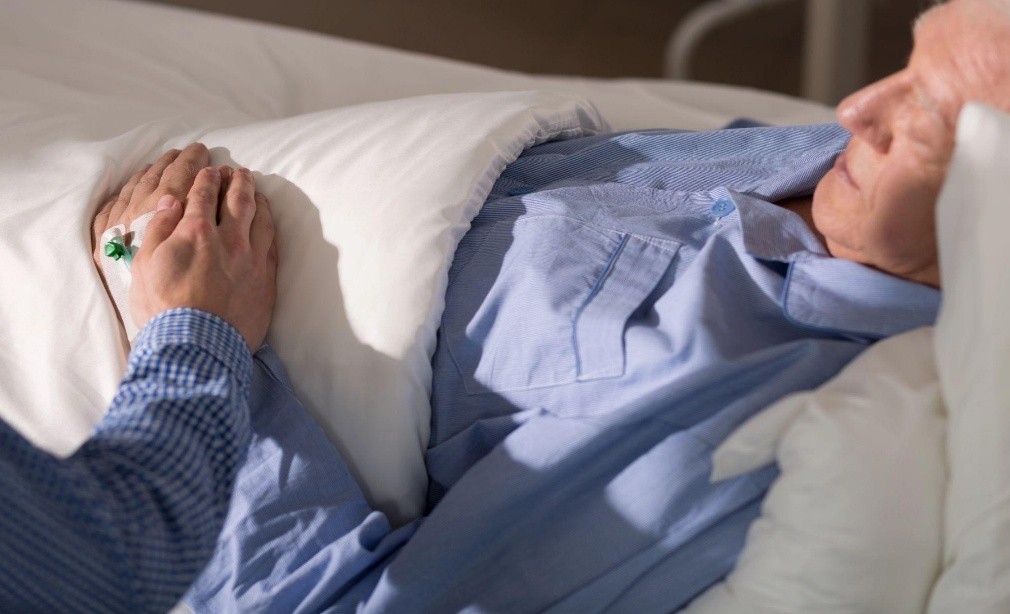
Should assisted suicide be legalised, palliative care will be closed off to many.

Typically, delivering quality palliative care involves:

  • Full-time nursing care to support hospice beds or to provide care visits at home
  • Expensive medication for symptom control
  • Hours of GP involvement
  • Specialist equipment, such as ventilation machines to help with breathing

The public purse currently funds 44% (£414 million) of the services provided by UK hospices.

However, the cost to the treasury of ‘keeping alive’ someone in their FINAL YEAR of life is considerably higher than just ‘healthcare’ costs.

NHS + social costs

In 2025, the Nuffield Trust & Health Economics Unit report revealed that at least £22 billion of public expenditure was spent on people in the last year of life in the UK.

  • Over half of which (almost £12 billion) was spent on health care.
  • 22% (almost £5 billion) was on social care.
  • 25% (£5.5 billion) was on social security.


This amounts to £33,960 per person.

By comparison, estimates for the cost of a medically-assisted death in Canada range from around £1,000 to £2,000 per person.

Harrowing cases from Canada show how quickly things can go wrong.

Canada recorded 16,499 euthanasia deaths in 2025 — 5.1% of all deaths.

Canadians today are being encouraged to opt for assisted suicide instead of receiving health and social care

One Canadian patient in her eighties was denied palliative care.

Instead, her life was quickly ended by MAiD when her husband requested her death after he felt unable to look after her at home.


At age 56, Allison Ducluzeau was offered assisted suicide after being told there was no treatment available in Canada for her stomach cancer.

She sought treatment in the US and went into remission.

‘Legacy’ and ‘In-Memory’ gifts

Two ways you can help STOP the killing and ensure proper care for the vulnerable in 2026 and beyond
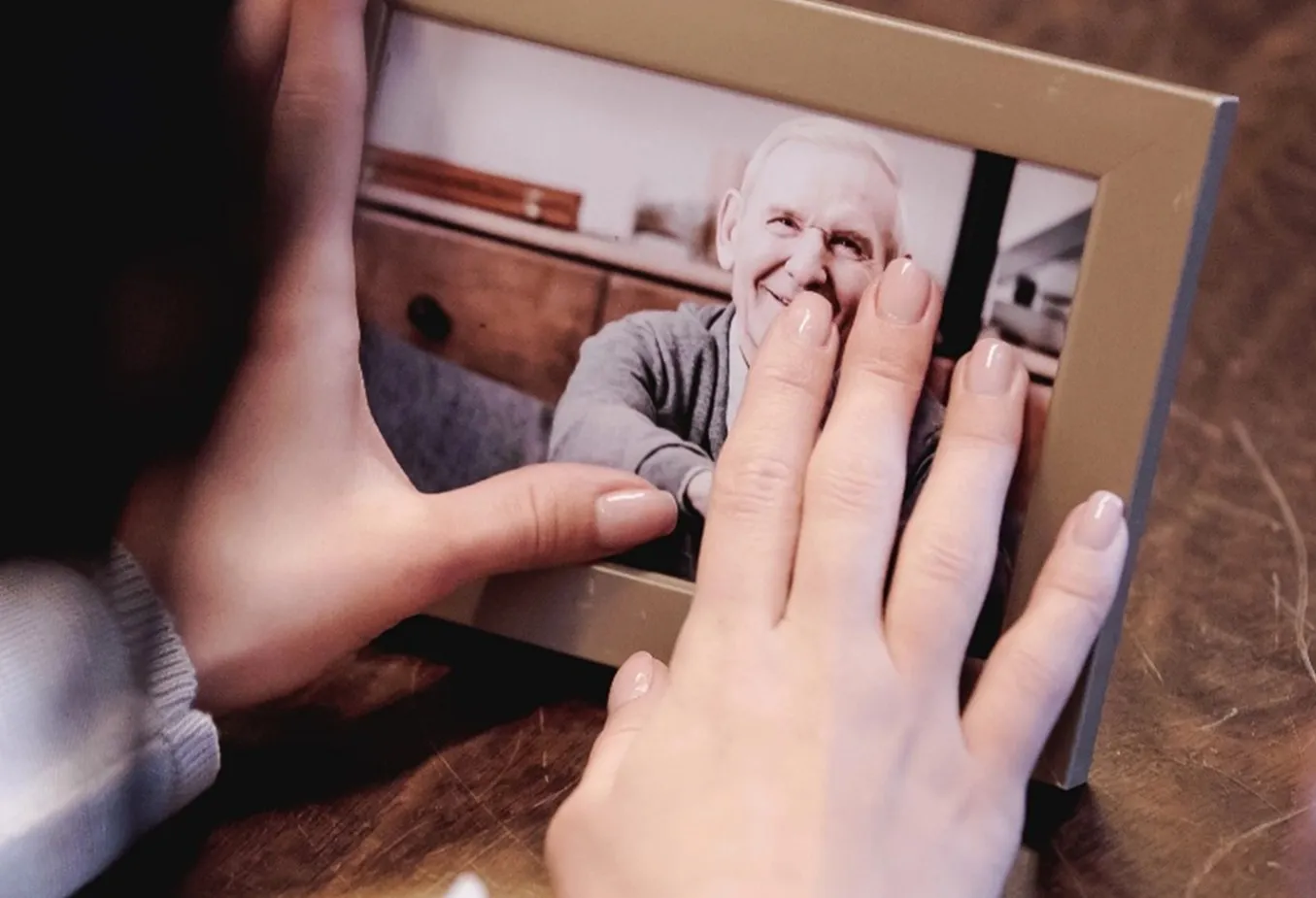
If you don’t want to see Britain going the same way as Canada, please consider leaving a legacy to CNK in your Will, or honouring the memory of someone dear to you today with an In-Memory gift.

1. Leaving a Legacy

Two-thirds of us never get around to writing our Will.

In some cases, this could mean that the government receives your money instead of the people and organisations you would like to benefit.

Being married or living with someone is no guarantee that your next-of-kin will receive your whole estate should you die without making a valid Will.

The main types of legacies are:

  • Specific money amount,  e.g. £500, 1,000, £5,000, £10,000, £50,000, £100,000.
  • Specific property item/s,  e.g. belongings such as a car, jewellery, artwork.
  • The residue of your estate. This is the value of everything you own, e.g., pensions, savings, home, stocks, shares—after any debts, costs (e.g. funeral), money or property and other legacies have been paid out.  You can leave a percentage, e.g. 5%, 10%, 20 %, 50% or 100% of what’s left over to other people or good causes*.

* PLEASE NOTE: Care Not Killing is NOT a registered charity. While this allows us to focus entirely on advocating for just laws which protect the vulnerable, it also means that any legacy gift that you may decide to leave to CNK in your Will could incur Inheritance Tax if your estate exceeds the tax threshold at the time of your death.

TIP: To avoid mistakes and any disputes after your death, we recommend that you ask a solicitor or a legally qualified Will writer to draw up your Will.

In most cases, this should cost no more than £150-£400. We have produced a free Will Guide to help supporters write their Wills

Should you decide to leave a gift to CNK in your will - THANK YOU.

It helps with our financial planning to know about this. Download our legacy pledge form—without any obligation—to let us know your intention.

2. Donate ‘In-Memory’

You can also leave a gift TODAY to honour the memory of someone special in your life who has died.

Ensuring that those most at risk from an assisted death have a strong voice representing them is a wonderful way to pay tribute to that person’s memory.

It also means you could see your money having an impact during your lifetime.

How your Legacy (or In-Memory gift) could help protect vulnerable people

£250

could help pay for a petition to the Prime Minister or other influential office holders, raising the political profile of our cause

£500

could pay for campaign leaflets to be printed and handed out at party conferences, medical seminars or political demos

£750

could help defray the costs of hosting an expert speaker to give British politicians and healthcare professionals firsthand accounts of the dangers inherent in medically assisted killing laws overseas

£1,000

could help cover the cost of manning a stall at a party conference, positively influencing lawmakers

£2,500

could help commission an opinion poll, helping to debunk our opponents’ false narratives which are fueling bids to change the law across Britain

£8,000

could pay for a social media campaign on Facebook and X, countering the propaganda spread in ads placed by opponents such as Dignity in Dying

£15,000

could help cover the running costs of Our Duty of Care, CNK’s campaign for healthcare professionals, whose role includes running seminars and podcasts for doctors and nurses and issuing briefings for politicians

£35,000

could cover the costs of employing professional media consultants for a year, ensuring our message is heard in mainstream news media

£150,000

could cover CNK’s running costs for 6 months

£250,000

could establish a Legal Fund to support a Judicial Review in the courts against any legislation or policies which undermine the human rights of vulnerable people or the employment rights of healthcare staff who hold a conscience objection to assisted suicide and euthanasia. 

(We have previously intervened in 3 cases at the European Court of Human Rights, but initiating a case is far more expensive)